

Sixty years ago, owning a computer meant having a mainframe operated by a dedicated team. The cost of the hardware was in the hundred of thousands of dollars in the 1970s (= a few millions today in 2026 dollars).
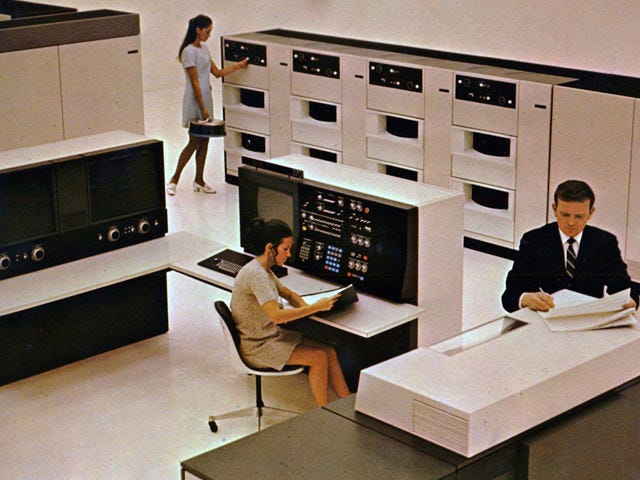
Only a few select companies (bank, insurance) were able to afford and operate them.
About 20 years later, mainframes got replaced by the IBM Personal Computer (PC), which provided more resources for cheaper (my family spent ~$1000 on a 486SX25 in 1992). There was an abundance of computers, the vision was to put a computer on every desk at work or at home.
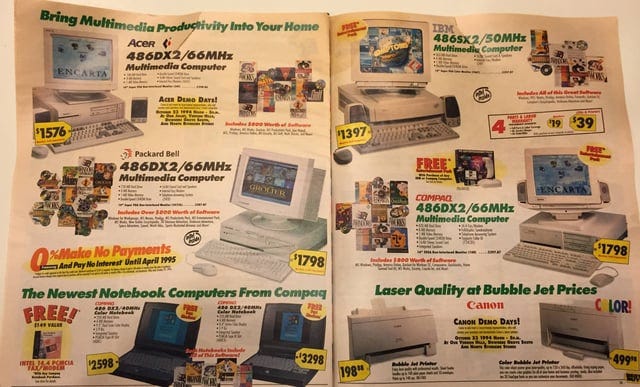
In 20 years, the space and cost of computing got slashed massively:
the cost got divided by 50
what took a full room was now fitting in a box under your desk
Over time, processing capacity keeps increasing and costs keep decreasing.
This story is repeating again today in the AI world.
Today, training and operating large models requires datacenters that cost millions billions to build and operate.
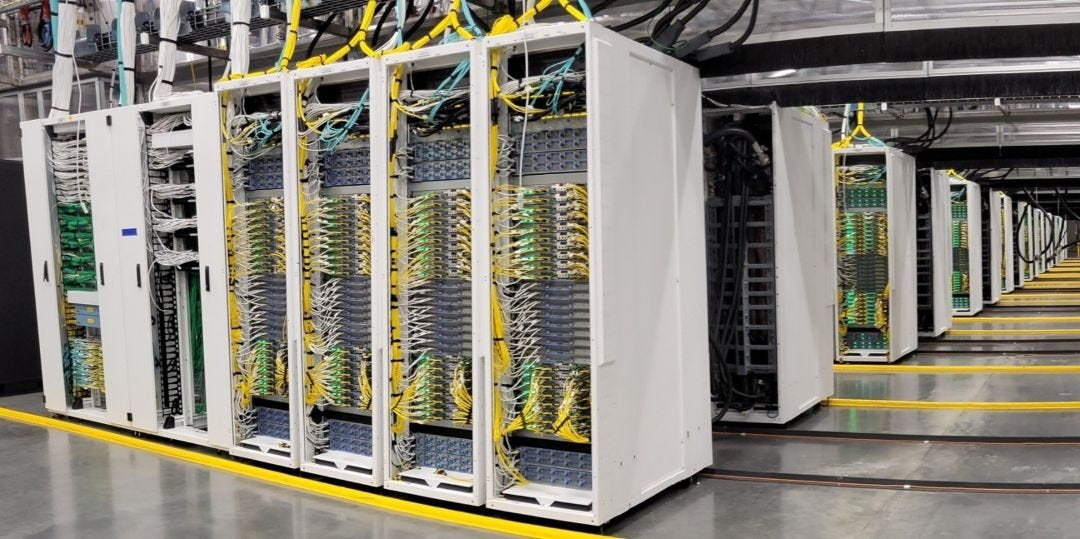
But in a decade or two, the same workload will run faster on a hardware that will cost 1/1000th of today’s cost.
In fact, not even 5 years after the AI boom started, we have solution to operate AI workload locally, like the DGX Spark that costs a few thousands. I can run local models on my M4 Macbook Air and some people are already replacing proprietary models by open-source models on their Mac Mini. The progress made in a few years is astonishing and there is no doubt they will get parity with state-of-the-art models in a few months.
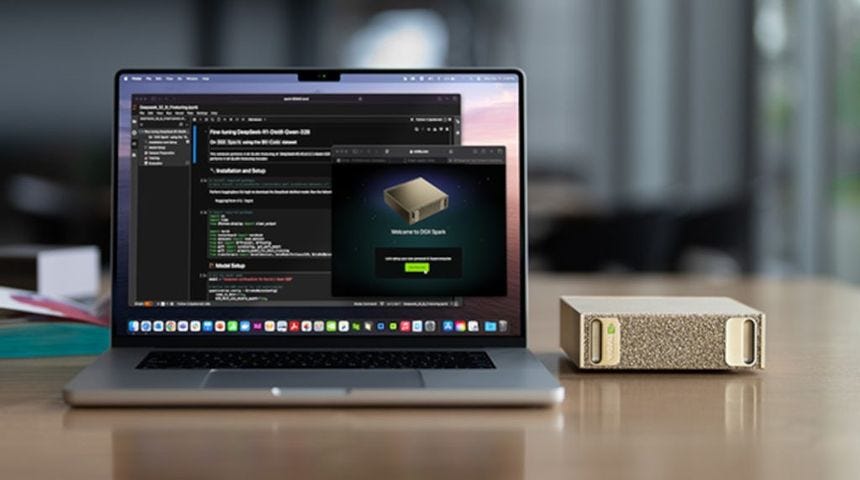
In a few months or years at most, agents will run locally on a $500 device (phone or laptop) and use local data. Companies like OpenAI or Anthropic are likely to be the Netscape or pet.com of this decade. They will need to innovate or die1.
Local models will not only unlock more use-cases, it will open an era of AI abundance.
This is why they are pushing for regulation of AI (including open-source models) and block local models from being released to the public.